Self Abuse
It takes time to see that what feels “normal” isn’t always kind to us. Sometimes, it’s the very thing keeping us stuck.
Patterns don’t appear overnight. They creep in slowly, shaped by what we’re taught, what we experience, and what we come to believe about ourselves.
For me, the earliest patterns looked like obedience. Don’t argue. Don’t make too much noise. Don’t ask too much. Every time I complied, I was met with approval. Every time I resisted, I was met with silence.
Over time, these patterns hardened into a way of being. I learned to shrink myself so others wouldn’t feel uncomfortable. I learned to push harder than my body could take, just to feel “good enough.” I carried more than I should because I thought that’s what strength looked like.
And because it felt normal, I never questioned it. In fact, I wore it proudly. I thought it was discipline, resilience, and responsibility. I didn’t see it as harmful. I thought it was who I was.
But here’s the truth about patterns: when we don’t pause to look at them, they turn into cycles. Cycles of over-giving until I collapsed. Cycles of staying in draining relationships because leaving felt like betrayal. Cycles of silencing myself because speaking up felt unsafe.
Much later, I realised these weren’t just unhealthy habits. They were forms of self-abuse. Self-abuse doesn’t always look dramatic. Sometimes it’s neglect, skipping meals, ignoring rest, dismissing what my body was trying to say. Sometimes it’s overdrive working until I burn out, chasing impossible standards, never letting myself breathe.
And sometimes it’s self-betrayal saying yes when I wanted to say no, staying quiet when I needed to speak, convincing myself I deserved cruelty. The hardest part? These patterns often hid behind words we celebrate. “I’m hardworking.” “I’m selfless.” “I’m disciplined.” We glorified them without realising how much they can cause harm.
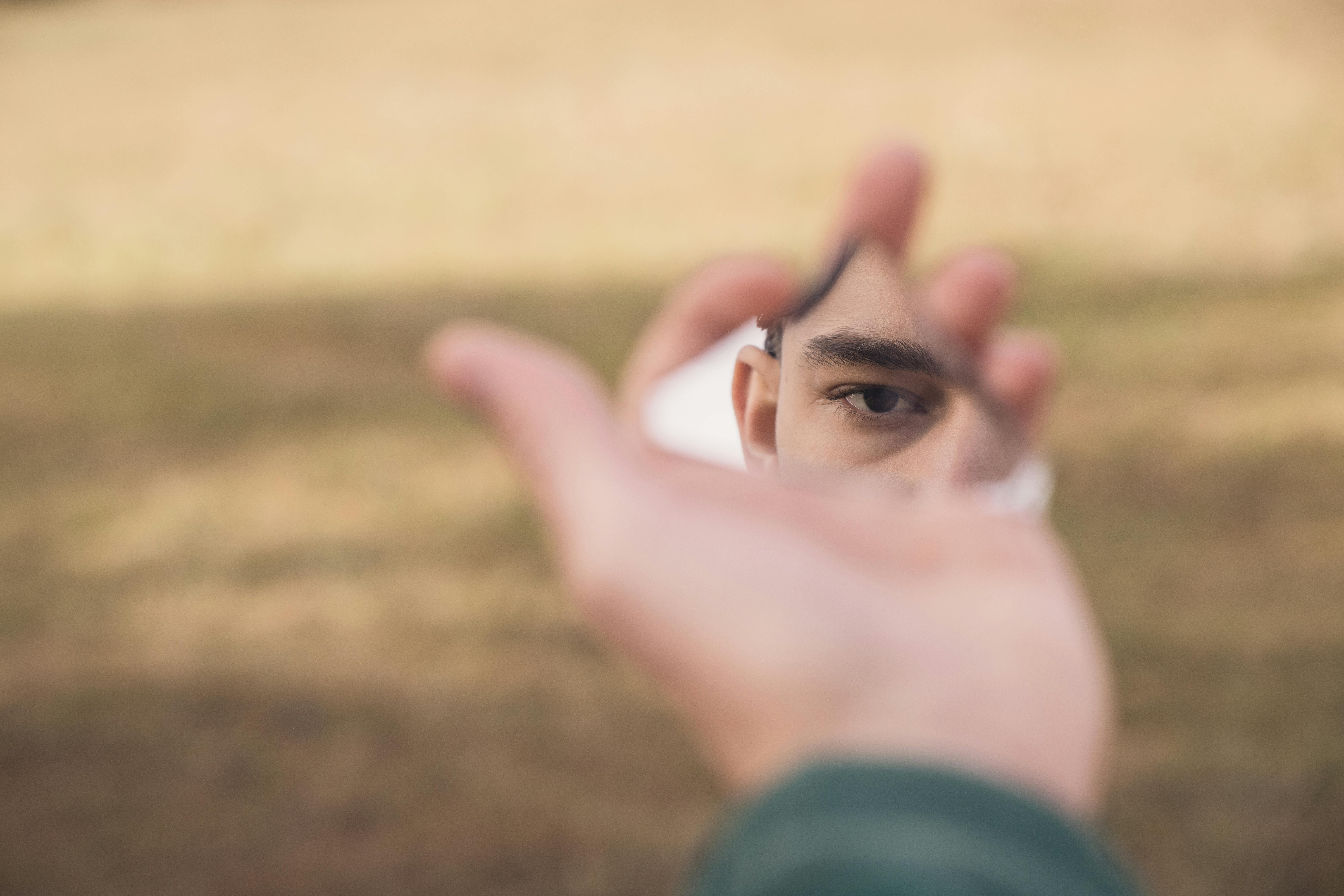
The turning point for me was simply noticing. For years, I didn’t see what I was doing as abuse. It was just “me.” Naming it for what it was gave me permission to stop normalising it. That clarity was painful but also freeing. From there, I began listening. Really listening. Self-abuse thrives in the absence of awareness.
I started paying attention to the small things: Was I tired? Was I hungry? Did my body tighten when I said yes to something I didn’t want? Those signals became my compass.
Learning boundaries was another step. At first, saying no felt selfish, almost cruel. But I began practising in small ways like saying “I’ll think about it” instead of rushing to yes, letting myself pause before answering. Slowly, I learned boundaries weren’t walls to shut people out; they were doors I could open and close with choice.
Compassion, though, has been the hardest. I had to unlearn the urge to punish myself whenever I slipped back into old cycles. Healing doesn’t mean the patterns vanish. It means I catch them earlier, recover faster, and hurt myself less each time. I had to remind myself: I am not my patterns. I am the person who notices them.
Therapy, journaling, and expressive arts gave me the tools to process. But the real healing happened in the small, daily choices: eating when I was hungry, resting without guilt, leaving conversations that drained me, speaking up even when my voice shook.
Here’s what I’ve come to understand: self-abuse isn’t a flaw. It’s often a survival response to environments that taught us to shrink, silence, or sacrifice ourselves. But survival patterns don’t have to be lifelong contracts. They can be rewritten.
Healing, I’ve learned, isn’t about returning to who I once was. It’s about becoming someone new, someone shaped by resilience, survival, and the courage to meet myself with kindness instead of criticism.
The world will always have sharp edges. But if I can learn to be gentler with myself, if I can stop harming the one person I live with every single day, maybe life doesn’t have to be just survival. Maybe it can finally feel like living.
If this resonated with you, you don’t have to unlearn these patterns alone. Healing is easier with support.
You’re welcome to reach out to iDare; we’re here to walk with you.
Image credits: Pexels